Recycling and Sustainability at Self Storage Catford
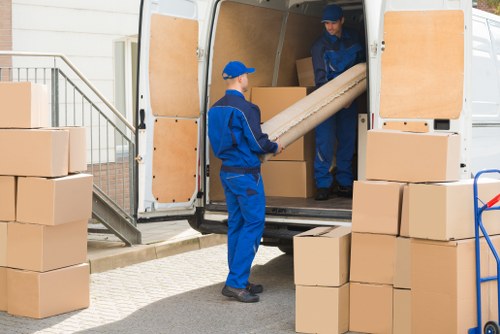 At Self Storage Catford, sustainability is built into everyday operations, from how waste is sorted to how vehicles are planned and how reusable items are redirected away from landfill. Our approach to recycling and self-storage in Catford is shaped by a simple idea: storage should help people keep what matters, while reducing what is thrown away unnecessarily. That means supporting better material recovery, choosing efficient logistics, and working with local partners who share a practical commitment to lower-impact resource use.
We have set a clear recycling percentage target of 85% for non-hazardous operational waste, with a focus on keeping cardboard, plastics, metals, office paper, and reusable packaging in circulation. This target is reviewed regularly so that the team can improve segregation and reduce contamination. In a busy borough environment, where collections and household waste streams can vary, strong separation habits matter. By sorting materials at source, we make it easier for more of them to be recovered and processed responsibly.
 Our commitment to sustainable storage in Catford also extends beyond the depot floor. We look closely at the journey materials take after collection, making sure waste is moved to facilities that can handle mixed recyclables efficiently and safely. In south-east London, local waste systems increasingly encourage residents and businesses to separate dry mixed recycling, food waste, and general refuse. That wider borough approach supports better outcomes for items such as clean cardboard, tins, and certain plastics, all of which can be redirected into new supply chains when properly sorted.
We use a network of local transfer stations to keep journeys short and emissions lower. These transfer points help consolidate materials before they move on to specialist recycling and recovery facilities, reducing the number of long trips that would otherwise be needed. For Self Storage Catford recycling, this matters because efficient routing means less fuel use, less congestion, and better oversight of what is being processed. It also helps local operations respond quickly to peaks in customer demand without losing sight of environmental goals.
The team works with a variety of streams that are especially relevant in the area. Cardboard from boxes and packaging is flattened and separated so it can be baled cleanly, while mixed metals are kept apart from residual waste to improve recovery value. We also pay attention to soft plastics, stretch wrap, and offcuts that may be accepted by certain specialist processors. Where borough collection rules encourage household separation of food waste, paper, and dry recyclables, our own sorting standards mirror that discipline at a commercial level.
 For many customers, storage is only one step in a broader decluttering journey, and that is where our partnerships with charities make a real difference. Items that are still usable but no longer needed - such as furniture, books, homeware, and small appliances - may be redirected to charitable organisations that can repair, reuse, or distribute them. This supports circular use, reduces disposal volumes, and extends the life of possessions that still have value. In practice, this means self storage in Catford can support both personal organisation and community benefit at the same time.
Our charity links are selected with practicality in mind. We look for groups that can handle donations safely, respond to seasonal needs, and make good use of items that come through storage clear-outs. Some donations are ideal for resale to fund community work, while others are passed to families or individuals who need affordable essentials. This is especially useful when customers are moving, downsizing, or refreshing business stock and want an alternative to disposal. In these moments, recycling with purpose becomes more than a technical process; it becomes a way to keep useful goods in circulation.
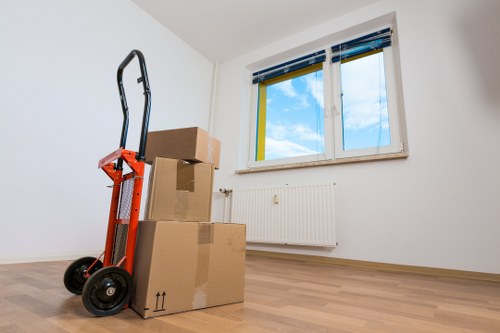 Transport plays a major role in our sustainability planning, which is why we use low-carbon vans for local collections and deliveries wherever possible. These vehicles are selected for improved fuel efficiency and reduced emissions, helping us cut the carbon intensity of short trips around Catford and nearby districts. We also plan routes carefully to avoid unnecessary mileage, combine journeys where it makes sense, and schedule work in a way that limits idle time. The result is a more efficient service that aligns with our environmental priorities.
Low-carbon fleet choices are complemented by everyday driving habits. Staff are trained to operate vehicles smoothly, avoid excessive acceleration, and plan loading so that trips are productive and fewer in number. This fits well with the wider sustainability culture of recycling-focused storage in Catford, where small operational improvements can have a noticeable cumulative effect. Even simple actions, such as using reusable crates and reducing single-use packaging on-site, contribute to a lower-impact service model.
 Sustainability at Self Storage Catford is not a single project but a set of connected practices: careful waste separation, strong local routing, charity partnerships, and a commitment to cleaner transport. We see the area’s practical approach to waste management - from borough-led separation of recycling streams to the emphasis on responsible household disposal - as a positive context for doing business better. By aligning our processes with those expectations, we help customers store more thoughtfully and dispose of less.
Looking ahead, we will continue to improve how materials are sorted, how goods are recovered, and how journeys are made. The aim is to keep raising our recycling percentage, strengthen relationships with local transfer stations and community charities, and expand the use of low-carbon vans across suitable work. For anyone seeking sustainable self storage in Catford, our message is straightforward: store well, recycle wisely, and keep valuable resources moving back into use wherever possible.